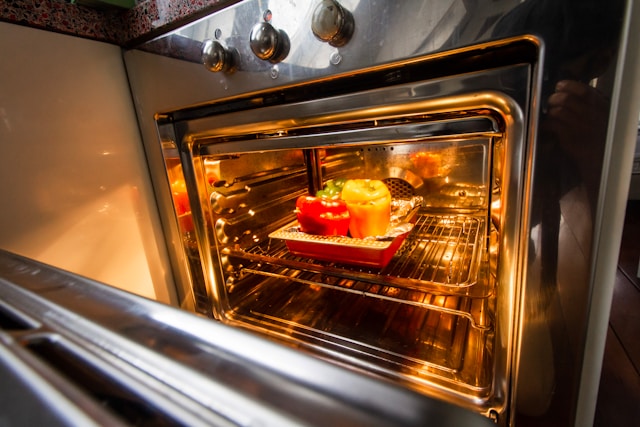
An oven that won’t heat properly can quickly derail dinner plans, holiday meals, and weekend gatherings. In Atlanta homes, where busy family schedules and frequent entertaining are part of everyday life, reliable cooking appliances are essential. So, homeowners often rely on oven repair in Atlanta to restore safe, reliable cooking performance without long delays.
What many homeowners don’t realize is that local environmental factors, cooking habits, and maintenance practices can significantly affect oven performance. Understanding why ovens struggle, and how to prevent common issues, can help you avoid uneven cooking, wasted food, and unexpected breakdowns.
Key Takeaways
- Heat, humidity, and heavy usage can affect oven performance.
- Grease buildup and blocked airflow contribute to uneven cooking.
- Electrical fluctuations and storms can impact electronic controls.
- Regular cleaning and inspection improve efficiency and safety.
- Early warning signs help prevent costly failures.
Atlanta Kitchens See Heavy Oven Use
From weeknight dinners to game-day gatherings and holiday cooking, ovens in Atlanta households often see heavy use year-round. Frequent baking, roasting, and reheating place continuous stress on heating elements, igniters, thermostats, and internal fans.
High usage can lead to gradual wear that may not be noticeable until cooking performance declines.
Spacing heavy cooking tasks and avoiding excessive preheating can help reduce strain.
How Heat and Humidity Affect Cooking Performance
Atlanta’s humid climate affects more than comfort levels, it can influence cooking results and appliance efficiency.
Humidity can:
- slow browning and crisping
- affect baking consistency
- increase condensation inside oven cavities
- contribute to moisture buildup in control panels
During summer months, ovens must also compete with warmer indoor temperatures, which can affect heat retention and cooking consistency.
Grease and Food Residue: Hidden Performance Killers
Spills and grease buildup inside the oven can interfere with heat distribution and airflow. Over time, residue can block vents, produce smoke, and cause unpleasant odors.
Accumulated grease may also:
- create hot spots
- reduce cooking efficiency
- trigger smoke alarms
- increase fire risk
Cleaning spills promptly and deep-cleaning periodically helps maintain performance.
Uneven Cooking and Hot Spots
If one side of a dish cooks faster than the other, uneven heat distribution may be the cause.
Possible contributors include:
- worn heating elements
- blocked convection fans
- improper rack placement
- overcrowded oven interiors
Allowing space for air circulation and rotating dishes during cooking can improve results.
Electrical Surges and Summer Storms
Atlanta thunderstorms frequently cause power surges and voltage fluctuations. Modern ovens with digital controls and circuit boards can be sensitive to electrical instability.
Power surges may result in:
- unresponsive control panels
- temperature inaccuracies
- sudden shutdowns
- error codes
Using surge protection can help safeguard electronic components.
Warning Signs Your Oven May Be Developing Problems
Ovens rarely fail without warning. Recognizing early symptoms can prevent cooking disasters.
Watch for:
- longer preheating times
- uneven baking results
- burning smells during operation
- temperature inconsistency
- control panel glitches
- unexpected shutdowns
Addressing these issues early can prevent larger failures.
Simple Habits That Improve Oven Performance
Routine care and mindful use can extend oven lifespan and improve cooking results.
Clean interior spills promptly.
Avoid lining racks with foil that blocks airflow.
Check door seals for heat loss.
Keep vents unobstructed.
Use the self-clean cycle as recommended.
These small habits improve efficiency and safety.
When Temperature Problems Affect Cooking Results
If food is undercooked on one side or burns on another, the thermostat or temperature sensor may be inaccurate.
You can test oven accuracy by placing an oven thermometer inside and comparing readings. If temperatures vary significantly, recalibration or repair may be needed.
When to Seek Professional Evaluation
Some oven issues go beyond routine maintenance.
Consider professional inspection if:
- the oven will not heat
- gas burners fail to ignite
- electrical burning smells occur
- control panel malfunctions persist
- the circuit breaker trips repeatedly
Gas and electrical components require proper tools and safety expertise.
Preventing Future Oven Breakdowns
Preventive care reduces the likelihood of unexpected failures.
Schedule deep cleaning periodically.
Avoid slamming the oven door.
Keep the interior dry and clean.
Ensure proper kitchen ventilation.
Address unusual performance changes early.
Consistent care ensures reliable cooking performance year-round.
Conclusion
Ovens play a central role in Atlanta kitchens, supporting daily meals, celebrations, and family traditions. Yet heat, humidity, heavy usage, and electrical fluctuations can all affect performance over time.
By maintaining cleanliness, ensuring proper airflow, monitoring temperature consistency, and recognizing early warning signs, homeowners can prevent cooking disruptions and extend appliance lifespan. When issues extend beyond routine maintenance, timely professional evaluation ensures safe and reliable operation.
With proactive care and awareness of local conditions, your oven can continue delivering consistent, dependable cooking results through every season.
FAQs
Why does my oven take longer to preheat than before?
A longer preheating time can indicate that the heating element or igniter is weakening and no longer reaching full output. It may also be caused by thermostat inaccuracies, worn door seals allowing heat to escape, or electrical issues affecting power delivery. If preheating continues to slow, the oven may struggle to maintain proper cooking temperatures.
Can humidity affect baking results?
Yes. Atlanta’s humid air can influence how moisture evaporates during baking. High humidity can slow browning, affect crispness, and alter the texture of baked goods such as cookies, pastries, and breads. Using convection settings when available, allowing proper preheating, and avoiding overcrowding the oven can help improve results.
Why does my oven cook unevenly?
Uneven cooking often occurs when heat cannot circulate properly. Blocked vents, overcrowded racks, failing heating elements, or malfunctioning convection fans can create hot and cool spots. Incorrect rack placement or warped bakeware can also affect results. Rotating dishes midway through cooking can help achieve more even browning.
Should I use aluminum foil to catch spills?
Aluminum foil should not be placed directly on the oven floor or used to cover vents, as this can block airflow and interfere with heat circulation. This may lead to uneven cooking, overheating, or damage to heating elements. Instead, place foil loosely on a lower rack (without blocking airflow) or use a baking sheet to catch drips.
How often should I clean my oven?
Light cleaning should be done as soon as spills occur to prevent smoke and odors. For typical households, a deeper cleaning every few months helps remove grease buildup and maintain airflow. Homes that cook frequently or roast foods regularly may benefit from more frequent cleaning to prevent residue accumulation and performance issues.

Leave a Reply